 Mon - Sat 9:00 - 5:30, Sunday - CLOSEDMon - Sat 9:00 - 5:30, Sunday - CLOSED
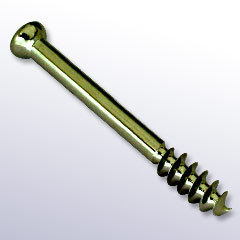
Medical Orthopaedic Screws
50-100 INR/Piece
Product Details:
- Color Code Silver | Metallic Finish
- Properties High Tensile Strength, Biocompatible, Corrosion Resistant
- Height Varies as per Screw Size
- Suitable For Human Bones Orthopaedic Surgery
- Dimension (L*W*H) Varies (Common Lengths: 10mm 50mm, Diameter: 2mm 6.5mm)
- Material Medical Grade Stainless Steel / Titanium Alloy
- Use Stabilizing Bone Fractures, Fixing Implants
- Click to View more
X
Medical Orthopaedic Screws Price And Quantity
- 50-100 INR/Piece
- 1000 , , Piece
- 2
- Yes
- 60 Hz
- Built-in WiFi, Screen Mirroring
- 178
- Android
- AAA
Medical Orthopaedic Screws Product Specifications
- Varies as per Screw Size
- Manual
- Human Bones Orthopaedic Surgery
- Varies (Common Lengths: 10mm 50mm, Diameter: 2mm 6.5mm)
- Cylindrical with Threaded Body and Variable Head (Flat/Philips/Allen)
- Medical Grade Stainless Steel / Titanium Alloy
- Stabilizing Bone Fractures, Fixing Implants
- Orthopaedic Screws
- Silver | Metallic Finish
- High Tensile Strength, Biocompatible, Corrosion Resistant
- Bone Fixation and Immobilization
- Dependent on Size (Typically 1g 10g per screw)
- 2
- Yes
- 60 Hz
- Built-in WiFi, Screen Mirroring
- 178
- Android
- AAA
Medical Orthopaedic Screws Trade Information
- 1000 , , Piece Per Week
- 1 Week
Product Description
We are a prominent manufacturer of Medical Orthopaedic Screws in the market. One of the current tenets of orthopedic fixation is that bone heals better if the fracture fragments are pressed firmly together. The two most common types of Medical Orthopaedic Screws are cortical and cancellous screws. We strive to deliver this on time.
Precision in Bone Surgery
Our medical orthopaedic screws deliver precise stabilization in surgical procedures, effectively supporting fracture repairs and implant fixation. The advanced materials ensure durability and reliability, while the variety of sizes meets the requirements of diverse orthopaedic surgeries. Designed for optimal compatibility with human bones, these products offer consistent outcomes in clinical practice.
Superior Material Quality
Crafted from either medical-grade stainless steel or titanium alloys, these screws boast superior tensile strength and biocompatibility. Their corrosion-resistant properties make them highly suitable for long-term implantation in the human body. The metallic finish also aids in visibility and identification during surgical procedures.
FAQs of Medical Orthopaedic Screws:
Q: How are medical orthopaedic screws typically used during surgery?
A: Medical orthopaedic screws are employed to stabilize bone fractures and secure implants during orthopaedic surgery. Surgeons manually insert them into the bone using specialized tools, choosing appropriate sizes based on the patients anatomy and surgical needs.Q: What materials are these orthopaedic screws made from and why?
A: These screws are manufactured from medical grade stainless steel or titanium alloy. Both materials are chosen for their high tensile strength, biocompatibility, and excellent resistance to corrosion, making them ideal for long-term use in the human body.Q: When should a surgeon opt for stainless steel vs. titanium alloy screws?
A: Stainless steel screws are typically more cost-effective and suitable for most general applications, while titanium alloy screws are preferred for patients requiring higher biocompatibility, reduced implant weight, or for those with known metal sensitivities.Q: Where are these screws commonly applied?
A: These screws are commonly used in orthopaedic surgeries involving the fixation of fractures, correction of bone deformities, or the stabilization of implants in human bones throughout the body.Q: What is the process for selecting the correct orthopedic screw size?
A: Surgeons select the screw size based on the fracture location, bone density, and the size of the bone being treated. Common lengths range from 10mm to 50mm and diameters from 2mm to 6.5mm, with the final selection tailored to patient anatomy.Q: What benefits do these screws provide to patients and surgeons?
A: These screws offer secure bone stabilization, promoting efficient healing while minimizing the risk of implant rejection. Their high strength and resistant properties allow for long-term reliability and improved surgical outcomes.Tell us about your requirement

Price:
Quantity
Select Unit
- 50
- 100
- 200
- 250
- 500
- 1000+
Additional detail
Mobile number
Email


Contact Us

- B No.- A/38, Adarsh- II, Industrial Estate, Behind Ashish Cinema, Ahmedabad - 382415, Gujarat, India
- Phone : 08071930306
MICROTRACK SURGICALS
GST : 24AAFFM3896H1Z1

- Mr Punit (Marketing Commercial Manager)
- Mobile : 08071930306
- Send Inquiry
 Send Inquiry
 Send Inquiry
 Send SMS
 Call Me Free
MICROTRACK SURGICALS
All Rights Reserved.(Terms of Use)
Developed and Managed by Infocom Network Private Limited.
Developed and Managed by Infocom Network Private Limited.
